
Have Questions? Talk to Expert (Binod)
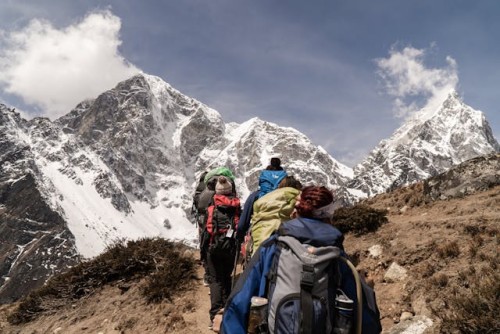
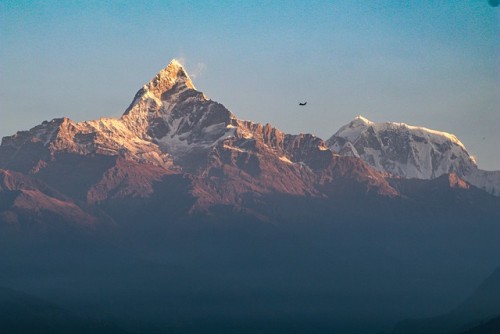
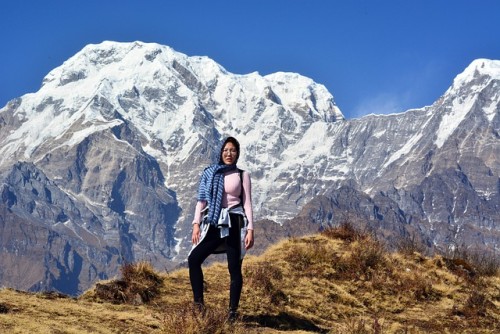
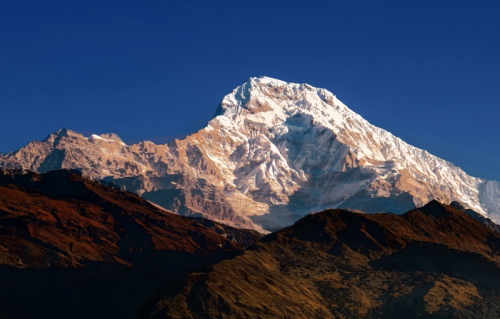
The Annapurna Base Camp Trek (ABC) is one of Nepal’s most iconic and rewarding Himalayan journeys. Nestled at an altitude of 4,130 meters, Annapurna Base Camp sits in the heart of the Annapurna Sanctuary, surrounded by towering snow-capped peaks including Annapurna I (8,091m), Machapuchare (Fishtail), Hiunchuli, and Annapurna South.
This trek combines dramatic mountain scenery, rich Gurung and Magar culture, lush rhododendron forests, alpine landscapes, and warm hospitality, making it suitable for beginners, experienced trekkers, students, families, couples, and large groups alike.
Himalayan Adventure Intl Treks offers a wide range of flexible Annapurna Base Camp Trek options, from group joining with fixed departure dates to fully customized private treks, all guided by experienced local professionals with transparent pricing and quality service.
The Annapurna Base Camp Trek is often described as the perfect Himalayan trek because it offers:
Close-up views of 8,000-meter mountains
Moderate trekking difficulty
Comfortable tea house accommodation
Excellent trail infrastructure
Rich cultural encounters
Shorter duration compared to Everest treks
Suitable for different age groups and fitness levels
Unlike many high-altitude treks, ABC takes you directly into a natural amphitheater of mountains, where glaciers, waterfalls, and prayer flags surround you in every direction.
We understand that every traveler is different. That’s why Himalayan Adventure Intl Treks provides multiple trekking styles and options, allowing you to choose the experience that best fits your schedule, budget, and travel style.
Our Group Join ABC Trek is the most popular and cost-effective option, perfect for solo travelers, students, and adventure lovers who enjoy meeting people from around the world.
Fixed departure dates throughout the year
International group members
Shared guide and porter services
Lower cost compared to private treks
Guaranteed departure (with minimum participants)
Solo travelers
Budget-conscious trekkers
Students
First-time trekkers in Nepal
Minimum: 2 persons
Maximum: 12–15 persons per group
After completing the trek, all group join trekkers receive a Trip Completion Certificate from Himalayan Adventure Intl Treks.
To check upcoming fixed departure dates, please visit our website or email us directly.
For those who prefer independence and personal attention, the Solo ABC Trek is an excellent choice. This option offers flexibility while ensuring safety with a licensed local guide.
Fully flexible itinerary
Personal guide
Choose your own pace
Customized accommodation and meals
Ideal for photographers and nature lovers
Solo trekkers are required to trek with a licensed guide, as per Nepal trekking regulations, which we arrange professionally.
The ABC Trek is a romantic and memorable journey for couples. Walking hand-in-hand through forests, mountain villages, and snowy landscapes creates a truly special bond.
Private guide
Comfortable lodges
Flexible walking hours
Sunrise and sunset viewpoints
Optional hot springs at Jhinu Danda
Perfect for:
Honeymoon couples
Anniversary trips
Adventure-loving partners
Traveling with friends makes the ABC Trek even more fun. Laugh, explore, and challenge yourselves together while sharing unforgettable moments in the Himalayas.
Cost sharing
Private guide and porter
Custom pace and rest days
Group bonding experience
This option works best for small private groups of friends who want flexibility without joining strangers.
Yes, families can do the Annapurna Base Camp Trek! With proper planning and experienced guides, this trek is suitable for families with teenagers and active adults.
Slower walking pace
Shorter trekking days
Comfortable tea houses
Child-friendly meals
Extra safety supervision
Our guides are trained to support families and ensure a safe and enjoyable experience for all age groups.
We proudly support student trekkers by offering special customized packages at affordable prices.
Budget-friendly pricing
Group discounts
Shared porter services
Educational cultural exposure
Trip completion certificate (useful for resumes and portfolios)
Perfect for:
University groups
College adventure clubs
Gap-year students
This is one of our most recommended options for travelers who want privacy with reasonable cost.
2–6 people
Dedicated licensed guide
Flexible itinerary
Personalized attention
Comfortable walking pace
Ideal for couples, families, or close friends.
We also organize ABC treks for large groups, including:
Schools
Universities
Corporate teams
Travel clubs
Multiple guides and assistant guides
Porters and porter-cum-guides
Group leader coordination
Safety briefings and daily updates
Customized meals and lodging
To trek legally in the Annapurna region, the following permits are required:
Mandatory for all trekkers
Supports conservation and local communities
Ensures trekker safety and tracking
Himalayan Adventure Intl Treks arranges all permits on your behalf, saving you time and hassle.
Our strength lies in our professional, experienced, and friendly local guides.
Male licensed guide
Female trekking guide (available on request)
Porter-cum-guide (budget option)
Government-licensed and insured
First-aid and altitude training certified
Deep local knowledge
Fluent in English (other languages on request)
Strong focus on safety and cultural respect
Carries up to 20–25 kg
Allows trekkers to walk freely and comfortably
Carries luggage
Provides basic guiding and route support
Cost-effective for budget trekkers
All our porters are well-paid, insured, properly equipped, and treated ethically.
Comfortable tea houses and lodges
Twin-sharing rooms
Clean bedding and blankets
Shared bathrooms (private available in lower regions)
Dal Bhat (rice, lentils, vegetables)
Noodles, pasta, fried rice
Soups and momos
Eggs, pancakes, porridge
Tea, coffee, hot lemon, ginger tea
We ensure nutritious and hygienic meals throughout the trek.
Himalayan Adventure Intl Treks provides all necessary transportation, including:
Tourist bus or private vehicle from Kathmandu to Pokhara
Jeep or local transport to/from trailheads (Nayapul, Ghandruk, or Jhinu)
Optional domestic flights
Transportation can be shared or private, depending on your package.
Down jacket (can be rented)
Waterproof jacket and pants
Fleece jacket
Trekking shirts and pants
Thermal base layers
Warm hat and sun hat
Gloves
Trekking boots
Sandals or camp shoes
Warm socks
Sleeping bag (available for rent)
Walking poles (available for rent)
Duffle bag (provided free & refundable)
Headlamp
Sunglasses
Water bottle
Sunscreen and lip balm
Toiletries
First aid kit
Personal medications
Power bank
Sleeping bag
Down jacket
Trekking poles
Duffle bag (returned after trek)
This service helps reduce luggage costs and makes trekking easier for international travelers.
After completing the Annapurna Base Camp Trek, all group participants receive an official:
Trip Completion Certificate from Himalayan Adventure Intl Treks
This certificate is a proud souvenir and can be used for:
Personal achievements
Student portfolios
Travel memories
Spring (March–May): Rhododendron blooms, clear views
Autumn (September–November): Best weather and visibility
Winter (December–February): Cold but quiet and scenic
Monsoon (June–August): Green landscapes, fewer crowds
Local Nepal-based company
Ethical porter treatment
Transparent pricing
Flexible trekking options
Experienced guides
Personalized service
Safety-first approach
If you are planning to join a group trek, please:
Our team is always happy to help you plan the perfect Annapurna Base Camp adventure.
Walk into the heart of the Himalayas. Experience the mountains. Create memories for life.
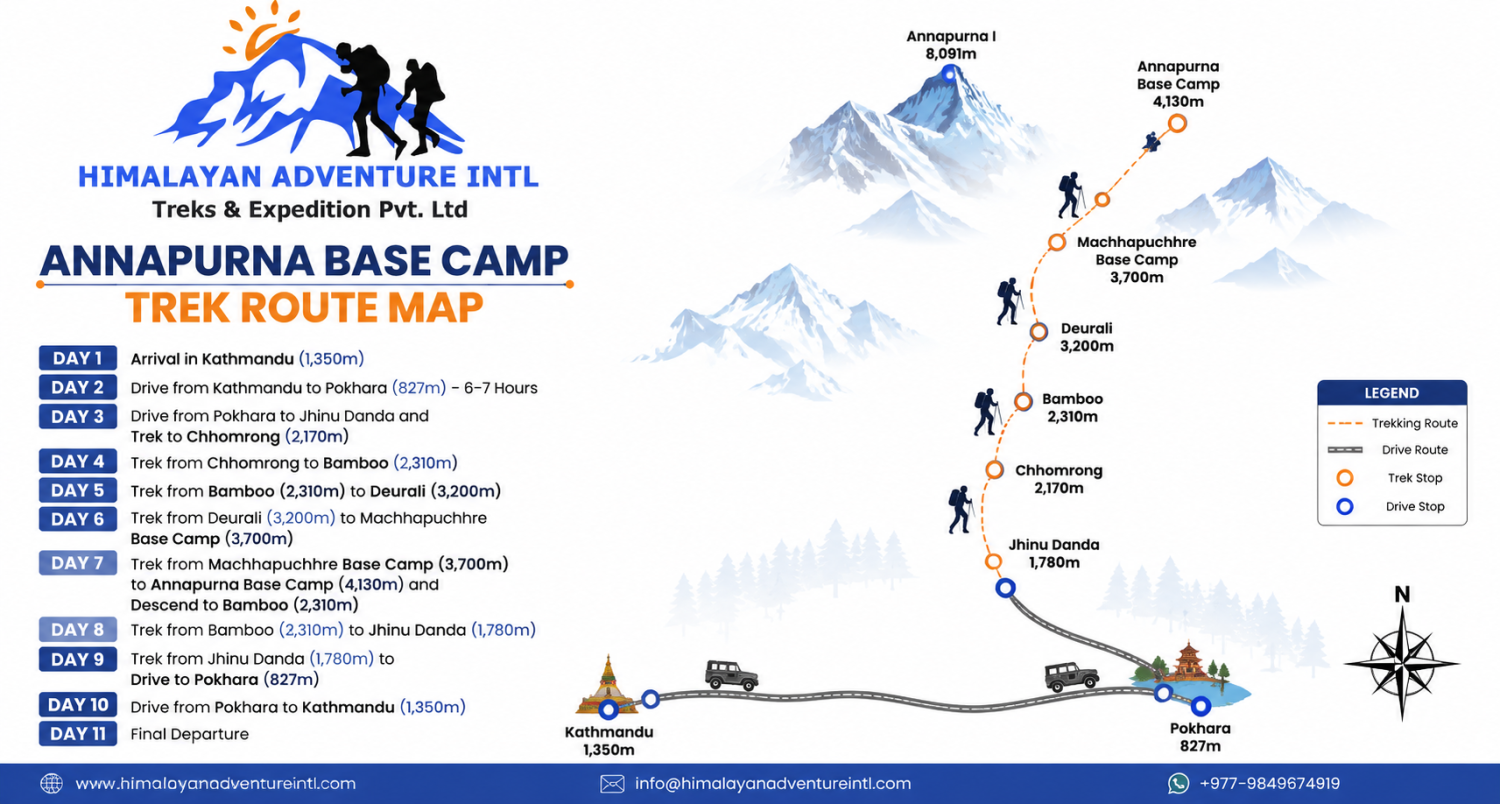
Your adventure begins as you arrive at Tribhuvan International Airport in Kathmandu, the vibrant capital city of Nepal. Upon arrival, a representative from Himalayan Adventure Intl Treks will warmly welcome you and transfer you to your hotel.
Kathmandu is a fascinating city where ancient temples, colorful markets, and modern cafés exist side by side. Before your trek begins, you'll have time to relax after your international flight and explore nearby attractions if your schedule allows.
In the evening, you'll attend a detailed trek briefing with your guide. During this meeting, your guide will explain the trekking route, weather conditions, altitude precautions, daily walking hours, accommodation, meals, and equipment checklist.
This briefing is an excellent opportunity to ask questions and ensure you are fully prepared for the adventure ahead.
Tourist Standard Hotel in Kathmandu
Not Included
Begin your adventure with a scenic drive from Kathmandu to Pokhara, one of Nepal's most beautiful tourist cities. Covering approximately 200 kilometers, the journey takes 6–7 hours along the picturesque Prithvi Highway. As you travel, enjoy breathtaking views of lush green hills, terraced farms, winding rivers, charming villages, and distant Himalayan peaks.
The road follows the Trishuli and Marsyangdi Rivers, offering plenty of opportunities to admire Nepal's diverse landscapes and rural lifestyle. Along the way, you'll stop at local restaurants for refreshments and lunch while taking in the peaceful countryside.
Upon arrival in Pokhara (827m), check into your hotel and relax after the drive. If time permits, take a leisurely stroll around the famous Lakeside area, where you can enjoy views of Phewa Lake and the reflection of Machhapuchhre (Fishtail Mountain). Pokhara's relaxed atmosphere makes it the perfect place to prepare for the trekking adventure ahead.
Driving Time: 3–4 Hours
Walking Distance: 5 km
Walking Time: 2–3 Hours
Today's journey starts early with a scenic drive from Pokhara toward Jhinu Danda, following winding mountain roads alongside rivers, waterfalls, and terraced farmlands.
The drive offers beautiful countryside scenery as you pass traditional villages surrounded by lush green hills. Upon reaching Jhinu Danda, your trekking adventure officially begins.
Crossing the suspension bridge over the Modi Khola River, you'll begin climbing steadily toward Chhomrong, one of the largest and most beautiful Gurung villages in the Annapurna region.
The trail consists of stone staircases surrounded by forests of bamboo, oak, and rhododendron. During spring, the hills become covered with colorful blooming rhododendrons, Nepal's national flower.
As you gain elevation, stunning mountain views gradually appear. Annapurna South, Hiunchuli, and Machhapuchhre dominate the skyline, providing incredible photography opportunities.
After reaching Chhomrong, you'll settle into your comfortable mountain teahouse and enjoy a delicious dinner while watching the sun set behind the Himalayas.
Mountain Teahouse
Breakfast, Lunch & Dinner
Walking Distance: 10 km
Walking Time: 5–6 Hours
After breakfast, today's trail begins with a descent down thousands of stone steps toward the Chhomrong Khola.
Crossing a suspension bridge, you'll begin another gradual uphill climb to Sinuwa, where magnificent views of Machhapuchhre continue to impress.
From Sinuwa onward, the landscape changes dramatically. Dense forests filled with bamboo, rhododendron, oak, and pine create a peaceful atmosphere unlike anywhere else in Nepal.
The trail enters the protected Annapurna Conservation Area, home to diverse wildlife including Himalayan langurs, colorful birds, musk deer, and, with exceptional luck, the elusive red panda.
Walking beneath towering bamboo forests, you'll hear birds singing and mountain streams flowing beside the trail.
Several small teahouses provide opportunities to rest, enjoy tea, and admire the surrounding scenery.
The final section gently descends through cool forests before arriving at Bamboo, a peaceful settlement named after the abundant bamboo forests surrounding the village.
Located beside the Modi Khola River, Bamboo offers a relaxing environment where trekkers can unwind after the day's journey.
As evening falls, enjoy a warm meal prepared by local hosts while listening to the soothing sounds of the nearby river.
Mountain Teahouse
Breakfast, Lunch & Dinner
Maximum Altitude: 3,200m (Deurali)
Walking Distance: Approximately 11 km (6.8 miles)
Trekking Duration: 6–7 hours
Accommodation: Mountain Teahouse
Meals: Breakfast, Lunch & Dinner
Today marks one of the most beautiful days of your Annapurna Base Camp Trek. Leaving Bamboo behind, the trail gradually climbs through peaceful forests filled with towering bamboo, rhododendron, oak, and Himalayan fir trees. The fresh mountain air, colorful birds, and the soothing sound of the Modi Khola create a relaxing trekking experience.
After about two hours of trekking, you'll arrive at Dovan, a small settlement surrounded by lush forest. This is a perfect place for a short tea break before continuing your ascent.
As the elevation increases, the dense forest slowly begins to thin, allowing spectacular views of the surrounding snow-covered peaks. The landscape changes dramatically, transitioning from subtropical forests to alpine terrain.
The trail continues toward Himalaya Hotel, where you'll stop for lunch. Along the way, you'll cross several wooden bridges, pass cascading waterfalls, and follow the beautiful Modi River deep into the Annapurna Sanctuary.
After lunch, the trek becomes slightly steeper as you approach Hinku Cave, a famous natural rock shelter once used by local traders and shepherds. Today, it offers trekkers an excellent viewpoint overlooking the valley.
Beyond Hinku Cave, the vegetation becomes sparse, and towering cliffs surround the valley. This section requires extra attention, especially during winter and early spring, as avalanches can occasionally occur after heavy snowfall.
Finally, you'll reach Deurali (3,200m), a peaceful mountain settlement nestled beneath dramatic Himalayan cliffs.
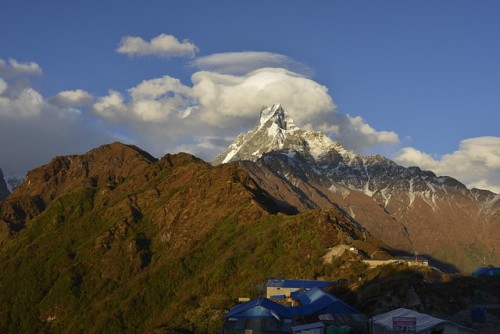
As evening approaches, enjoy magnificent views of Machhapuchhre (Fishtail), Hiunchuli, and the surrounding alpine landscape while relaxing in your cozy teahouse.
Maximum Altitude: 3,700m (Machhapuchhre Base Camp)
Walking Distance: Approximately 8 km (5 miles)
Trekking Duration: 4–5 hours
Accommodation: Mountain Teahouse
Meals: Breakfast, Lunch & Dinner
Today is one of the most exciting days of your journey as you enter the spectacular Annapurna Sanctuary, a natural amphitheater surrounded by some of the world's highest mountains.
After breakfast, the trail climbs gradually along the Modi Khola valley. The forests disappear, replaced by rocky alpine terrain and wide glacial valleys.
The scenery becomes increasingly dramatic with every step. Massive cliffs rise on both sides of the trail while snow-covered peaks dominate the skyline.
As you gain altitude, breathtaking views of:
become clearer than ever.
The trail eventually opens into the magnificent Machhapuchhre Base Camp (MBC) at 3,700 meters.
Although climbing Mount Machhapuchhre is prohibited because it is considered sacred by the local people, standing beneath this perfectly shaped Himalayan peak is an unforgettable experience.
Spend the afternoon relaxing, enjoying panoramic mountain views, and preparing for tomorrow's final ascent to Annapurna Base Camp.
Because of the higher altitude, your guide will encourage you to stay hydrated, walk slowly, and monitor your body's acclimatization.
Maximum Altitude: 4,130m (Annapurna Base Camp)
Walking Distance: Approximately 18 km (11 miles)
Walking Duration: 7–8 hours
Accommodation: Mountain Teahouse
Meals: Breakfast, Lunch & Dinner
Today is the highlight of your entire Annapurna Base Camp Trek.
Wake up early to witness an unforgettable Himalayan sunrise. As the first rays of sunlight touch the snow-covered peaks, the mountains glow in brilliant shades of gold, pink, and orange.
After breakfast, you'll continue trekking through open alpine meadows toward Annapurna Base Camp (4,130m).
The gradual trail offers breathtaking panoramic views of:
Standing at Annapurna Base Camp is an unforgettable achievement. Surrounded by towering Himalayan giants on all sides, you'll truly appreciate why this region is known as the Annapurna Sanctuary.
Take plenty of photographs, celebrate your accomplishment, and enjoy the incredible mountain atmosphere before beginning your descent.
Since overnight accommodation at higher altitude increases the risk of altitude sickness, you'll descend after spending quality time at the base camp.
The return journey retraces the same beautiful trail back through Machhapuchhre Base Camp, Deurali, Himalaya, and Dovan before reaching Bamboo, where you'll spend the night.
Descending to a lower altitude allows your body to recover comfortably after reaching the highest point of the trek.
Maximum Altitude: 2,310m
Walking Distance: Approximately 12 km (7.5 miles)
Walking Duration: 5–6 hours
Accommodation: Mountain Lodge
Meals: Breakfast, Lunch & Dinner
After breakfast, begin your descent through peaceful forests toward Chhomrong. Familiar mountain views accompany you as you retrace your steps across suspension bridges and stone staircases.
Once you reach Chhomrong, continue downhill to Jhinu Danda, a beautiful riverside village famous for its natural hot springs.
After checking into your lodge, take a short 15–20 minute walk downhill to the Jhinu Natural Hot Springs, located beside the Modi Khola River.
Soaking in the warm mineral-rich pools is one of the most enjoyable experiences after several days of trekking. Many trekkers find the hot springs incredibly refreshing for tired muscles and aching joints.
Spend the evening enjoying the peaceful mountain atmosphere, reflecting on your incredible Annapurna adventure, and sharing stories with fellow trekkers.
Maximum Altitude: 1,780m (Jhinudanda)
Walking Distance: Approximately 6 km (3.7 miles)
Drive Duration: 2–3 hours
Accommodation: Hotel in Pokhara
Meals: Breakfast & Lunch
After breakfast, begin the final day of trekking by crossing the suspension bridge over the Modi Khola River. The trail gradually ascends through terraced farmland, lush forests, and traditional villages before reaching Ghandruk, one of the most picturesque Gurung villages in Nepal.
Ghandruk is renowned for its rich culture, warm hospitality, and breathtaking mountain scenery. The stone-paved streets, traditional slate-roof houses, and beautifully maintained gardens offer a glimpse into the daily life of the Gurung people, who have a long history of serving in the British and Indian Gurkha regiments.
If time permits, visit the Gurung Museum to learn about the region’s unique traditions, history, and lifestyle. Stroll through the village, interact with local residents, and enjoy panoramic views of Annapurna South (7,219m), Hiunchuli (6,441m), Machhapuchhre (6,993m), and Gangapurna (7,455m).
After exploring Ghandruk, board your private jeep or local vehicle for a scenic drive back to Pokhara. The route winds through beautiful hills, rivers, waterfalls, and charming countryside villages before arriving in Nepal’s popular lakeside city.
Upon arrival in Pokhara, check into your hotel and enjoy a well-deserved rest. In the evening, take a leisurely walk along Lakeside Pokhara, where you can relax beside Phewa Lake, browse souvenir shops, or enjoy dinner at one of the many lakeside restaurants.
Driving Distance: Approximately 200 km
Drive Duration: 6–7 hours
Accommodation: Hotel in Kathmandu
Meals: Breakfast
After breakfast, leave Pokhara and begin the scenic drive back to Kathmandu along the Prithvi Highway. The journey follows the Trishuli River through rolling green hills, riverside villages, cultivated farmland, and dramatic mountain landscapes.
Throughout the drive, you'll witness everyday rural life in Nepal as farmers work in the fields, local markets bustle with activity, and traditional villages line the highway.
Several stops along the route provide opportunities to enjoy tea, lunch, and take photographs of the beautiful countryside.
Upon arrival in Kathmandu, check into your hotel and enjoy your final evening in Nepal.
If time allows, explore the vibrant streets of Thamel, Kathmandu's famous tourist district. Shop for handmade crafts, trekking gear, pashmina scarves, singing bowls, and traditional Nepali souvenirs.
In the evening, Himalayan Adventure Intl Treks can arrange a traditional Nepali farewell dinner featuring authentic cuisine and a cultural dance performance (optional).
Meals: Breakfast
Your unforgettable 10 Days Annapurna Base Camp Trek comes to an end today.
After breakfast, a representative from Himalayan Adventure Intl Treks will transfer you to Tribhuvan International Airport approximately three hours before your international flight.
As you leave Nepal, you'll take home unforgettable memories of towering Himalayan peaks, peaceful forests, welcoming mountain communities, and the incredible achievement of standing at Annapurna Base Camp.
Whether this was your first trek in Nepal or one of many adventures, the Annapurna region leaves a lasting impression that inspires travelers to return again and again.
The team at Himalayan Adventure Intl Treks thanks you for choosing us as your trekking partner and looks forward to welcoming you back for another Himalayan adventure.
Choosing the right trekking company is essential for a safe, enjoyable, and memorable experience. At Himalayan Adventure Intl Treks, we are committed to providing exceptional service, experienced guides, and personalized adventures.
| Trek Details | Information |
|---|---|
| Duration | 10 Days |
| Highest Elevation | Annapurna Base Camp (4,130m) |
| Starting Point | Kathmandu |
| Ending Point | Kathmandu |
| Difficulty Level | Moderate |
| Best Seasons | Spring (March–May) & Autumn (September–November) |
| Accommodation | Hotels & Mountain Teahouses |
| Meals | Breakfast, Lunch & Dinner during the trek |
| Transportation | Private Vehicle / Tourist Bus / Jeep |
| Required Permits | ACAP Permit & TIMS Card (or current government-required trekking permits) |
| Maximum Walking Hours | 8–9 hours |
To make the most of your Annapurna Base Camp adventure, keep these tips in mind:
The 10 Days Annapurna Base Camp Trek is a perfect combination of breathtaking Himalayan scenery, rich cultural encounters, diverse landscapes, and unforgettable adventure. From the vibrant streets of Kathmandu to the peaceful villages of the Annapurna region and the majestic amphitheater of Annapurna Base Camp (4,130m), every day offers new experiences and lasting memories.
Whether you're trekking through lush rhododendron forests, crossing suspension bridges above rushing rivers, relaxing in the natural hot springs of Jhinu Danda, or watching the sunrise illuminate the snow-covered peaks of Annapurna I and Machhapuchhre, this journey showcases the very best of Nepal.
With expert guidance, personalized service, and a strong commitment to safety and responsible tourism, Himalayan Adventure Intl Treks ensures that every trekker enjoys an authentic and rewarding Himalayan experience.
Join us on this incredible adventure and discover why the Annapurna Base Camp Trek remains one of the world's most iconic trekking destinations. Let the Himalayas inspire you, challenge you, and create memories that will last a lifetime. We look forward to welcoming you to Nepal and sharing this extraordinary journey with you.
At Himalayan Adventure Intl Treks, we are committed to providing an unparalleled trekking experience, blending adventure with comfort and safety. Join us for an unforgettable journey into the heart of the Himalayas.
The Annapurna Base Camp Trek is a popular trekking route in Nepal that leads to the base of the 10th highest mountain in the world, Annapurna I.
Annapurna Base Camp is situated at an altitude of 4,130 meters (13,550 feet) in the Annapurna region of Nepal.
The Annapurna Base Camp Trek is considered moderate, with a mix of steep ascents and descents, suitable for trekkers with a good fitness level.
The trek typically takes 7-12 days, depending on the chosen route and acclimatization needs.
The best time to trek to Annapurna Base Camp is during the pre-monsoon (March to May) and post-monsoon (September to November) seasons.
Yes, the Annapurna Base Camp Trek is generally safe, especially with a guide, but trekkers should be cautious of altitude sickness and changing weather conditions.
Trekkers need the Annapurna Conservation Area Permit (ACAP) and a TIMS (Trekkers’ Information Management System) card.
While not mandatory, hiring a guide for the Annapurna Base Camp Trek enhances safety and enriches the trekking experience.
The Annapurna Conservation Area is Nepal’s largest protected area, covering 7,629 square kilometers, home to diverse flora, fauna, and trekking routes.
Yes, beginners can do the Annapurna Base Camp Trek with proper preparation, a moderate fitness level, and possibly hiring a guide.
Essential items include warm clothing, trekking boots, a sleeping bag, a first-aid kit, water purification tablets, and a good backpack.
Trekking poles are highly recommended as they provide stability and reduce strain on knees during steep ascents and descents.
Sturdy, waterproof trekking boots with good ankle support are ideal for the Annapurna Base Camp Trek.
Yes, travel insurance that covers high-altitude trekking, medical evacuation, and trip cancellations is essential.
Regular cardio exercises, strength training, and practice hikes are recommended to build stamina and endurance.
Yes, a good quality sleeping bag rated for -10°C (14°F) or lower is essential for cold nights at higher altitudes.
Yes, trekking gear can be rented or purchased in Kathmandu and Pokhara at reasonable prices.
A 40-60 liter backpack with a comfortable hip belt and good back support is recommended.
To prevent altitude sickness, ascend gradually, stay hydrated, avoid alcohol, and consider taking Diamox as a precaution.
While food is available in teahouses, bringing high-energy snacks like nuts, energy bars, and dried fruits can be helpful.
Key highlights include views of Annapurna I, Machapuchare, and Dhaulagiri, diverse landscapes, and cultural encounters with local Gurung and Magar communities.
Accommodations are basic teahouses with shared rooms, simple beds, and communal dining areas, offering a cozy and authentic trekking experience.
Yes, teahouses have basic restrooms and paid hot showers, though facilities may be limited at higher altitudes.
The menu typically includes dal bhat (rice and lentils), noodles, soups, momos, and various Western dishes like pasta and pancakes.
Yes, charging facilities are available in most teahouses, but it may require a small fee, especially at higher altitudes.
Wi-Fi is available in some teahouses for a fee, but the connection may be slow and unreliable, especially in remote areas.
Temperatures can drop to -10°C (14°F) or lower at night, especially at Annapurna Base Camp, so warm clothing is essential.
Trekkers might see wildlife such as Himalayan thar, langur monkeys, and various bird species, including pheasants and eagles.
Yes, winter trekking is possible, but it’s more challenging due to snow and cold temperatures. Proper gear and experience are crucial.
Solo trekking is possible, but it’s recommended to go with a group or guide for safety and to fully enjoy the experience.
The trek passes through Gurung and Magar villages, where trekkers can experience traditional customs, festivals, and local hospitality.
Yes, trekkers have opportunities to interact with locals, visit monasteries, and experience village life along the trail.
Machapuchare, also known as Fishtail Mountain, is considered sacred by locals and is off-limits to climbing, preserving its pristine beauty.
Yes, the trek includes visits to Buddhist monasteries, prayer wheels, and shrines, reflecting the spiritual significance of the region.
The primary languages are Nepali, Gurung, and Magar, but English is widely understood in teahouses and by guides.
Respect local customs by dressing modestly, asking permission before photographing people, and being mindful of religious sites.
Depending on the timing, trekkers may witness or participate in local festivals like Dashain, Tihar, or Losar.
Supporting local businesses, buying handmade crafts, and using local guides and porters are ways to contribute to the local economy.
Porters carry trekkers’ heavy gear, making the trek easier, and are an integral part of the trekking experience, often coming from local communities.
The trek takes you through the Annapurna Sanctuary, a high glacial basin surrounded by Annapurna peaks, considered a sacred place by locals.
The cost varies depending on the trek duration, guide services, and accommodations, ranging from $500 to $1,500 on average.
The average daily budget, including food, accommodation, and permits, ranges from $20 to $40, depending on your spending habits.
ATMs are available in Pokhara, but there are no ATMs on the trail, so it’s essential to carry enough cash.
During peak seasons, it’s advisable to book accommodations in advance, especially in popular villages like Ghorepani and Chomrong.
The trek typically starts from Nayapul, which is accessible by a short drive from Pokhara.
The Annapurna Base Camp Trek is one of the most breathtaking trekking adventures in the world. Located in the heart of the Annapurna region of Nepal, this trek offers a rare opportunity to walk through traditional mountain villages, lush forests, and dramatic Himalayan landscapes while standing face-to-face with some of the highest peaks on earth.
For many travelers, the biggest question before planning this journey is simple: How much does the Annapurna Base Camp Trek cost?
Understanding the cost is not just about numbers—it’s about planning a journey that is comfortable, safe, and unforgettable. When organized with an experienced local operator like Himalayan Adventure Intl Treks, trekkers can enjoy a well-structured itinerary, professional guides, comfortable accommodations, and transparent pricing.
This detailed guide explains the Annapurna Base Camp Trek cost step by step, covering every stage of the journey—from arrival in Kathmandu to final departure.
Before diving into the cost breakdown, it’s important to understand why the Annapurna Base Camp Trek is considered one of the best value Himalayan treks.
Unlike many expensive expeditions, this trek offers:
Stunning mountain scenery
Authentic Nepali culture
Comfortable teahouse accommodations
Relatively moderate difficulty
Affordable travel logistics
Within just 7–10 days of trekking, you will reach Annapurna Base Camp (4,130 m), surrounded by a natural amphitheater of snow-covered peaks.
The total trek cost typically ranges between $650 and $1,200, depending on services, group size, and travel style.
Now let’s break down the journey step by step.
Your adventure begins the moment you land at Tribhuvan International Airport in Kathmandu.
Kathmandu is the cultural and tourism hub of Nepal. The vibrant streets, ancient temples, and bustling trekking markets create the perfect atmosphere for starting your Himalayan journey.
With Himalayan Adventure Intl Treks, the process is simple and stress-free.
Airport pickup by company representative
Transfer to your hotel
Trek briefing and document check
Free time to explore Thamel
Typical expenses on arrival include:
Airport transfer: Included in most trekking packages
Hotel accommodation: $30–$70
Meals in Kathmandu: $10–$20
Trek permits preparation
Two permits are required for the Annapurna Base Camp Trek:
Annapurna Conservation Area Permit (ACAP) – $30
TIMS Card (Trekkers Information Management System) – $20 but not necesory
These permits help support conservation and safety in the trekking region.
Standing in Kathmandu, surrounded by mountaineering history and the energy of travelers from around the world, you begin to realize something powerful:
Your dream of reaching the Himalayas is about to begin.
The next stage of the journey takes you to Pokhara, the most beautiful city in Nepal.
Distance: 200 km
Travel time: 6–7 hours
The drive follows scenic rivers, terraced hills, and charming rural villages.
Pokhara is known for:
Peaceful lakes
Himalayan views
Relaxed trekking atmosphere
Tourist bus price:
$10–$15 per person
Optional alternatives:
Private car: $120–$150
Flight: $90–$120
Most trekkers prefer the tourist bus because it is economical and scenic.
After arriving in Pokhara, you can enjoy:
A walk around Phewa Lake
Views of Machapuchare (Fishtail Mountain)
Trek preparation
Hotel cost in Pokhara:
$25–$60
Pokhara is where the mountains suddenly feel close. On a clear morning, the Annapurna range rises dramatically above the valley.
This is the moment when many trekkers feel the excitement growing:
Tomorrow, the real adventure begins.
The trekking portion begins with a scenic drive from Pokhara toward the Annapurna foothills.
Drive time: 3–4 hours
Transport: Jeep or local bus
Destination: Jhinu Danda
Cost:
Jeep: $25–$35
Local bus: $10–$15
From Jhinu Danda, the trekking officially begins.
The trail climbs through:
Terraced rice fields
Stone staircases
Gurung villages
Key highlights include:
First close views of Annapurna South
Traditional mountain homes
Warm teahouse hospitality
4–5 hours of trekking
Teahouse price:
$5–$10 per night
Meals:
$6–$10 per meal
The first trekking day teaches you an important lesson:
Every step brings you closer to the mountains.
You begin to feel the rhythm of the trail, the quiet of nature, and the warmth of mountain communities.
This day takes you deeper into the Annapurna Sanctuary.
The trail passes through:
Dense rhododendron forests
Bamboo groves
Waterfalls and glacial rivers
Villages along the way include:
Bamboo
Dovan
Himalaya
Deurali
6–7 hours.
As altitude increases, the environment begins to change.
The forests slowly disappear and the landscape becomes more dramatic and alpine.
Typical daily trekking expenses:
Accommodation: $5–$10
Meals: $30–$40
Snacks/tea: $5–$7
Total daily cost: $35–$45
This is where trekkers begin to feel the magic of the Himalayas.
Towering cliffs, roaring rivers, and distant glaciers create an unforgettable atmosphere.
Every turn reveals a new wonder.
This is the most exciting day of the trek.
You climb gradually toward Machapuchare Base Camp (MBC) before reaching the final destination: Annapurna Base Camp (ABC).
Machapuchare Base Camp: 3,700 m
Annapurna Base Camp: 4,130 m
5–6 hours.
The landscape opens into a massive glacial valley surrounded by Himalayan giants.
Peaks visible include:
Annapurna I
Annapurna South
Hiunchuli
Machapuchare
Standing at ABC feels like being inside a natural Himalayan amphitheater.
Snow-covered peaks rise in every direction.
Sunrise and sunset here are unforgettable.
Accommodation: $10
Meals: $25–$30
Reaching Annapurna Base Camp is an emotional moment.
You realize that every step, every climb, every challenge brought you here.
And suddenly the dream becomes reality.
After enjoying the sunrise at Annapurna Base Camp, the journey continues downward.
Descending through the same trail offers a new perspective on the landscape.
6–7 hours.
Stopping point: Bamboo village
Easier breathing
Warmer temperatures
Relaxed trekking pace
Accommodation: $5–$10
Meals: $20–$25
The return journey allows trekkers to reflect on what they have achieved.
Few experiences in life feel as rewarding as standing at the base of the Himalayas.
The trail continues downhill toward Jhinu.
4–5 hours.
One of the highlights of Jhinu is the natural hot springs near the river.
Many trekkers relax here after completing the trek.
Jeep or bus ride:
2–3 hours.
Cost:
$20–$30
Returning to Pokhara is the perfect time to celebrate.
Many trekkers enjoy:
Lakeside restaurants
Live music
Relaxing views of the mountains
You arrived in the mountains as a traveler.
You return as someone who has completed a remarkable Himalayan journey.
The next day, you return to Kathmandu by tourist bus.
Cost:
$10–$15
Travel time:
6–7 hours
After arriving, trekkers often enjoy:
Shopping for souvenirs
Visiting temples
Celebrating the adventure
Finally, it’s time to depart Nepal.
Himalayan Adventure Intl Treks provides airport transfer for your international flight.
Although the trek ends, the memories remain forever.
Typical package cost with Himalayan Adventure Intl Treks includes:
Accommodation
Meals during trek
Guide and porter
Transport
Permits
Airport transfers
Budget Trek: $750–$850
Standard Package: $950–$1050
Luxury Package: $1,150–$1,200
Choosing the right trekking company is essential for safety and enjoyment.
Himalayan Adventure Intl Treks offers:
Experienced local guides
Transparent pricing
Responsible tourism
Personalized trekking experiences
Their team understands the mountains, the culture, and the needs of international trekkers.
The Annapurna Base Camp Trek is not just about reaching a destination.
It is about:
Discovering the beauty of nature
Challenging yourself physically
Experiencing authentic mountain culture
Creating memories that last a lifetime
The cost of the trek is small compared to the reward.
Because once you stand at Annapurna Base Camp and look up at the towering peaks, you will realize something powerful:
Some journeys change you forever.
And the Annapurna Base Camp Trek is one of them.